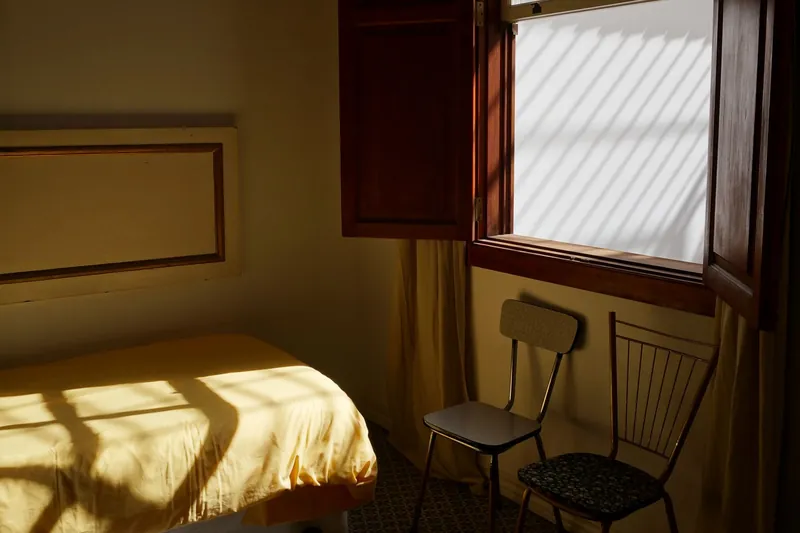
Death Cleanup
Fluids, odor and impacted belongings are addressed when a home is cleaned after a death.
See death cleanupGet blood, body fluids and affected materials removed after a death found quickly, once the room or property has been released to you. Cleaning stays focused on the affected area, with careful attention to personal belongings.
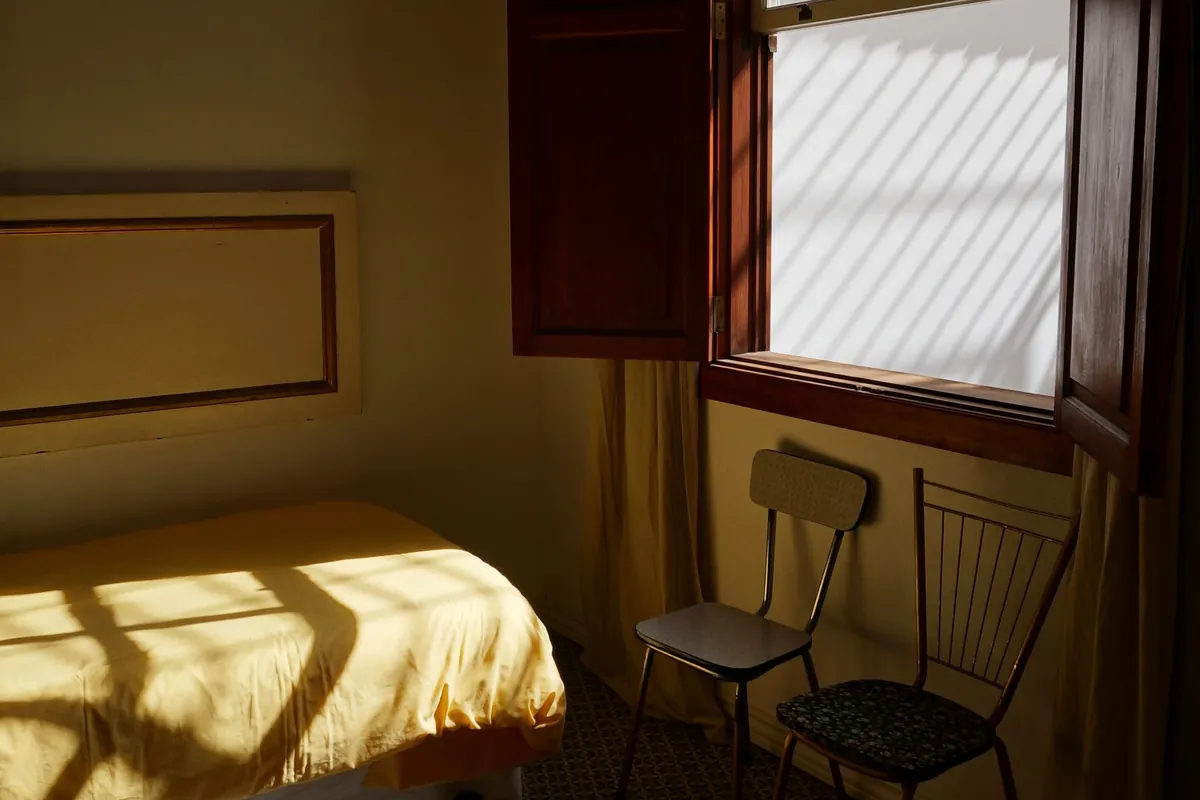
Attended death cleanup is a focused cleanup service after a person dies with someone present or is found soon afterward. It removes blood, bodily fluids and contaminated materials, then cleans and disinfects the affected surfaces so the room can be used again.
When a death is found soon, it is not like an unattended event that remained unknown for days. Little decomposition may have occurred, or there may be none, while the floor, bed, bathroom, chair or surrounding belongings can still be impacted. Decisions about scope come from what contacted a surface, not merely because the death happened.
Paramedics, police, the medical examiner or funeral home personnel may take part in the emergency response. Each completes duties related to caring for the person, yet property cleaning is not necessarily among them. Once formal release of the space occurs, a death cleanup team can locate contamination and shield nearby areas. The team can also sort what is cleanable from what requires removal.
An entire estate cleanout is a separate job. To treat nearby contamination and odor, you may need biohazard cleanup services. Later, the estate cleanout addresses clothing, furnishings and household belongings. During a difficult time, doing the jobs separately can prevent the loss of belongings you value.
A restoration contractor, estate representative, landlord or insurer may understand the work more clearly when you have photos, scope details and waste records. The documentation also identifies cleaned areas, removed materials and items left behind.
Items outside the contaminated area should stay protected. Keepsakes can carry deep meaning for you and your loved ones, so anything near the work zone should be discussed with you before any irreversible decision is made.
Using unmarked vehicles can help limit attention around the home. Access can be arranged through you, a relative, an estate representative or another person you trust.
Cleanup crews should describe the affected rooms and materials before starting, including which items are cleanable, which require removal and any restoration that may follow.
When a recently discovered death leaves body fluids, blood or a different biohazard inside an apartment, home or communal setting, attended death cleaning may be appropriate. The extent varies with each event. Common reasons for the work include:
Bodily fluids can enter grout, carpet edges, mattress seams or spaces near baseboards even when the event was recent. These areas need inspection before anyone assumes that wiping the visible surface is enough.
Hospice staff care for the person and family, while the occupant may still be responsible for cleaning affected flooring, furniture or a mattress. Only the affected area needs remediation when the death was found quickly.
The property manager, landlord, tenant or a family member may arrange entry. Cleaning may be confined to the impacted apartment while adjacent areas and hallways remain isolated from the work.
A death may occur in the bathroom, a favorite chair or bed while a relative or caregiver is present. Once the room is released, focused biohazard cleaning may be needed if fluid reached wood, carpet, linens or furniture.
First, keep people safe from health hazards and leave the room undisturbed until the responsible authority permits entry. Before any cleanup starts, follow these steps:
Call (888) 440-9227Attended death cleanup does not have a credible published range of its own. As background, public biohazard cleanup guides show common per-job costs of $3,000 to $5,000; $2,500 to $8,000; and $1,800 to $4,500 for a job. Do not treat those figures as attended death cleanup quotes. Surface types, the area affected, material removal and waste disposal shape the actual scope. You can find the source on each card below.
Published national cost guides are the source for these ranges, rather than an inspection of your property. You learn what your property will cost after the on-site assessment and before any work begins.
Ask about cost: (888) 440-9227Coverage depends on the policy, the cause of the loss and the documentation required by insurance companies. Insurance assistance starts with asking your insurer what the policy covers before assuming that a home, renters, landlord or commercial policy will pay.
The lease, insurance policy, affected area and local rules can determine payment. The estate representative, tenant and owner need to establish responsibility directly, not presume who must pay.
Homeowners or renters insurance, the estate or the property owner usually pays for this kind of cleanup. The Kentucky crime victim compensation program helps only when a crime caused the loss. Before you make a financial choice, contact the program to verify its present eligibility rules and which expenses it covers.
Report the event to the insurer and ask specifically about biohazard remediation, contaminated contents and necessary material removal. Record the claim number and the adjuster's document requests.
Insurance companies might ask for photographs, the itemized cleanup scope, waste paperwork and records for materials taken out. If you need insurance assistance, keep copies of communications and ask which documents are required for your particular policy.
The process for attended death cleanup stays respectful and orderly while limiting work to what is necessary. Remediation follows contamination through the immediate area and into affected layers underneath. As a result, there is a clear purpose behind each step from start to finish.
A technician confirms that the space is released, asks what is known about the event and examines affected areas and nearby surfaces. Existing conditions can be documented in pictures to clarify the required work.
The affected area is kept apart from clean rooms. After assessing the exposure, cleanup technicians select protective gear such as suitable gloves, clothing, respiratory protection and eye protection.
Unaffected keepsakes are moved away from the work zone. To protect sentimental belongings from disposal without consultation, items near the affected area are assessed individually.
If fluid has soaked into upholstery, bedding, carpet padding or raw building material, those items may be removed when thorough disinfection is impossible. Removal ends at clean, unaffected material.
Visible residue is removed before disinfection. Treatment of solid surfaces uses an EPA-registered disinfectant, with the area kept wet for the complete label contact time.
The inspection includes seams, carpet borders, baseboards, furniture joints and material underneath the visible spot. This inspection establishes if surface treatment is sufficient or targeted removal is required.
Contaminated waste is packaged securely for transportation as required by the relevant rules. Work photos, the cleaning scope and waste records can be retained for the property contact or insurer.
The work area is inspected after the cleaning process and disinfection. The property contact receives an explanation of every step in the entire process, including what was cleaned, what was removed and what repair or restoration services may still be needed.
Call at any time. An attended death cleanup specialist answers, explains the steps and agrees a start time with you.
Serious health hazards and infectious material may remain after a quickly discovered death, including in areas beyond the reach of normal household cleaning. Risk varies according to the type of fluid, which surfaces it touched and any spread outside the room.
Blood can contain hepatitis B, hepatitis C and HIV. The CDC states that surfaces can hold surviving hepatitis B for at least seven days. The absence of visible wetness does not mean dried material can be treated as harmless.
If bedding, padding or building material cannot be disinfected, it may become hazardous waste that must be packaged and discarded according to applicable medical waste rules. Household possessions should not be mixed with those affected materials.
Fluid can follow seams, settle under a bed frame, enter carpet padding or pass between floorboards. A visible stain can be removed while contamination stays below the surface material.
Can you clean it yourself? Without bodily fluid, blood, odor or affected porous material, the area might not require specialized remediation. Avoid touching a small spill on a sealed, non-porous surface, and apply an EPA-registered disinfectant precisely according to its label. Seek professional assessment as the safer option if the contamination limit is uncertain or fluid reached absorbent material.
How long the work takes varies with both the volume of impacted material and how far fluid penetrated. A surface-only, contained cleanup requires less time. Lifting carpet, examining subfloor, organizing belongings and arranging regulated waste disposal add to the work.
| Scene | Typical time on site |
|---|---|
| Limited hard-surface area | Faster when contamination is contained and has not reached porous material |
| Bed, carpet or furniture affected | Extended work when layers require access, evaluation and removal |
| Several materials or rooms involved | Longest when the scope includes contents, structural material, odor work or repairs |
A death found quickly may produce little or no lasting odor. If odor is present, the first step is to locate and remove contaminated material. Fragrance does not clean a source, and strong deodorizer can make it harder to tell whether affected material remains.
After source removal and cleaning, HEPA air filtration can support air quality by capturing airborne particles. A technician may also evaluate nearby fabrics, wall gaps and HVAC returns if odor traveled beyond the immediate area. Air treatment should match the actual condition of the room, and it should not replace removal, cleaning or correct disinfectant contact time.
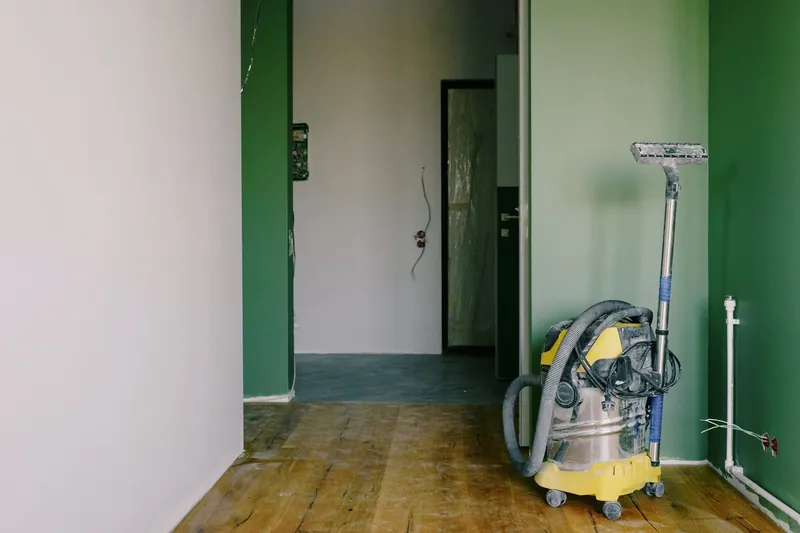
The OSHA Bloodborne Pathogens Standard, 29 CFR 1910.1030, sets requirements for worker training, exposure controls and protective equipment when occupational contact with blood is possible.
Use only a disinfectant registered with the EPA for that particular purpose. The surface needs to stay visibly wet for every minute of contact time listed on the product label.
Kentucky has no single medical waste agency. The Energy and Environment Cabinet's Division of Waste Management permits medical waste transfer stations, and most landfills accept this waste only after treatment, so it should not go in household trash. Packaging, transport and treatment methods for removed materials are determined by local rules and the particular type of waste.
Kentucky relies on elected county coroners, supported by the Office of the State Medical Examiner, which helps coroners determine cause of death. Cleanup starts after police or the medical examiner or coroner release the scene. You should neither go into nor disturb the space until the proper authority confirms release of the property.
The full attended death cleanup guide covers what is cleaned or removed, odor and air quality work, and the rules that apply in Fayette County.
Read the full attended death cleanup guide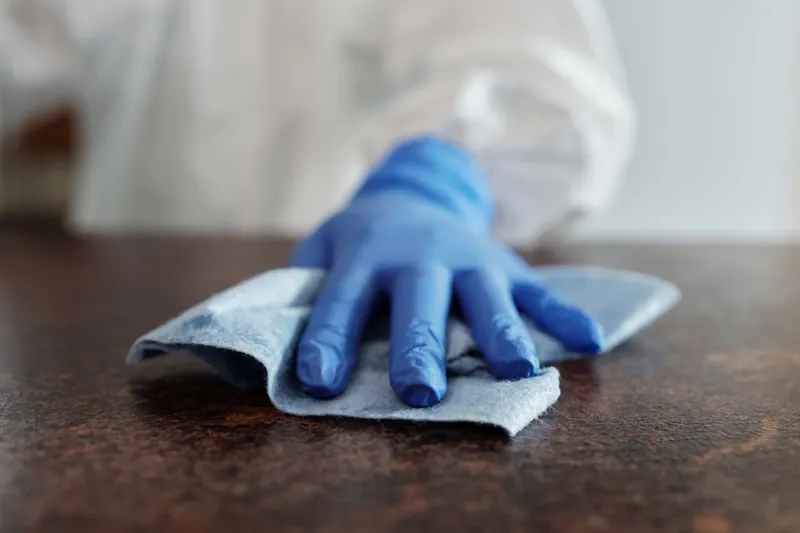
Containment, entry and cleanup plans can be influenced by local housing, population and access details.
If direct exposure occurs, the closest listed emergency option is University of Kentucky Hospital, about 1.2 miles away, not the cleanup site.
The nearby places of Davis Bottom/Southend Park, Western Suburb, and Speigle Heights give useful orientation when arranging equipment delivery and waste pickup.
A neighborhood address can differ from its broader city label, making the full street and unit information important for discreet cleanup access.
Ask on the call about cleanup options for neighboring communities and ZIP codes.
Fluids, odor and impacted belongings are addressed when a home is cleaned after a death.
See death cleanup
Decomposition cleanup and odor control are needed after a death goes unnoticed for several days.
See unattended death cleanup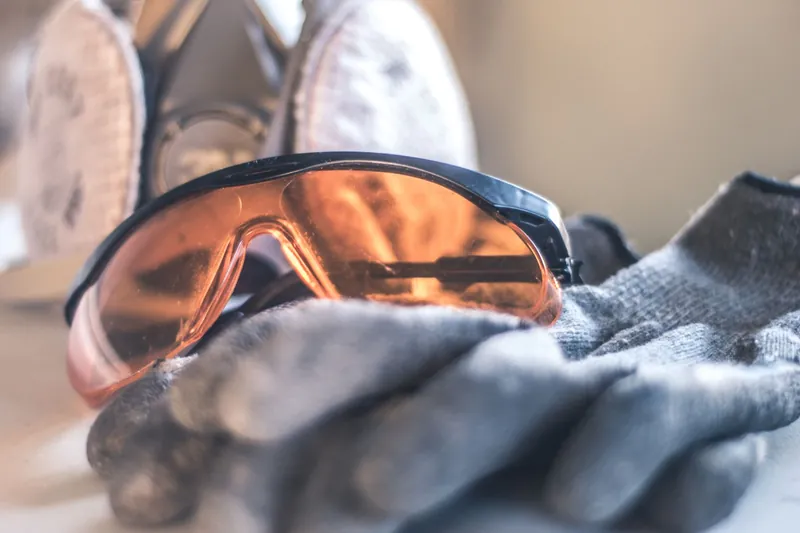
Floors, underlying subfloors and furniture are cleared of decomposition fluids.
See decomposition cleanup
Death odor removal targets the source through ozone treatment, hydroxyl and air scrubbers.
See death odor removal
An estate cleanout after someone dies covers careful sorting and safe removal of belongings.
See estate cleanout after a death
Carpet, solid floors, walls and furnishings receive blood cleanup that includes safe disposal.
See blood cleanup
Bodily fluid cleanup removes fluids and disinfects affected areas in businesses, homes and care settings.
See bodily fluid cleanup
Trauma scene cleanup addresses the aftermath of accidents, injuries and violent incidents.
See trauma scene cleanupProperty cleaning may not be part of the separate duties carried out by hospice staff, emergency responders or funeral home personnel. Once authorities release the room, an individual with authority over the home may organize biohazard cleaning. A relative, estate representative, landlord or property manager may coordinate access depending on the situation.
Every cleanup follows a different schedule. Several porous layers within flooring, carpet or a bed require more work when cleanup involves them than one well-defined solid surface. Contents sorting, regulated waste disposal, odor treatment and later repairs can add separate phases. You should receive a room-specific sequence of expected work after the on-site assessment.
No reliable public pricing guide focuses only on attended death cleanup. Published ranges for biohazard cleaning are general background information rather than a specific quote for your space. The final amount reflects absorption depth, affected materials, removal needs, waste requirements and whether the space needs odor treatment.
Belongings outside the affected area can usually be protected and left in place. Assess objects near contamination one by one. Non-porous sealed possessions may be cleaned even when absorbent materials cannot be. Ask for keepsakes, documents, jewelry and photos to be set aside for discussion before anything is removed.
Contamination is commonly less extensive and decomposition may not occur when a death is witnessed or quickly discovered. An extended delay in finding an unattended death can increase effects on the air, household contents and floors. Both situations require an inspection based on the actual fluids and materials involved, not the label alone.
Attended death cleanup is biohazard cleaning after a person dies while someone is present or is found soon afterward. Cleaning is centered on the immediate area's contaminated materials, body fluids and blood. The extensive decomposition conditions found when a death goes undiscovered for days are not usually part of this work.
Discreet, respectful attended death cleanup, 24 hours a day, with crews in unmarked vehicles.